The Dead Sea Scrolls and the Hidden Library of Qumran
Two thousand years beneath the Judean cliffs — what the Essenes preserved, and why it still unsettles modern theology.
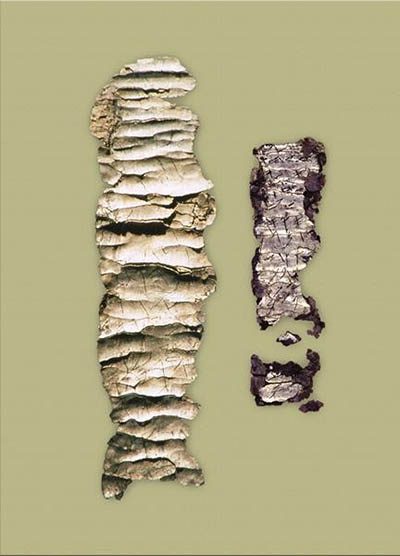
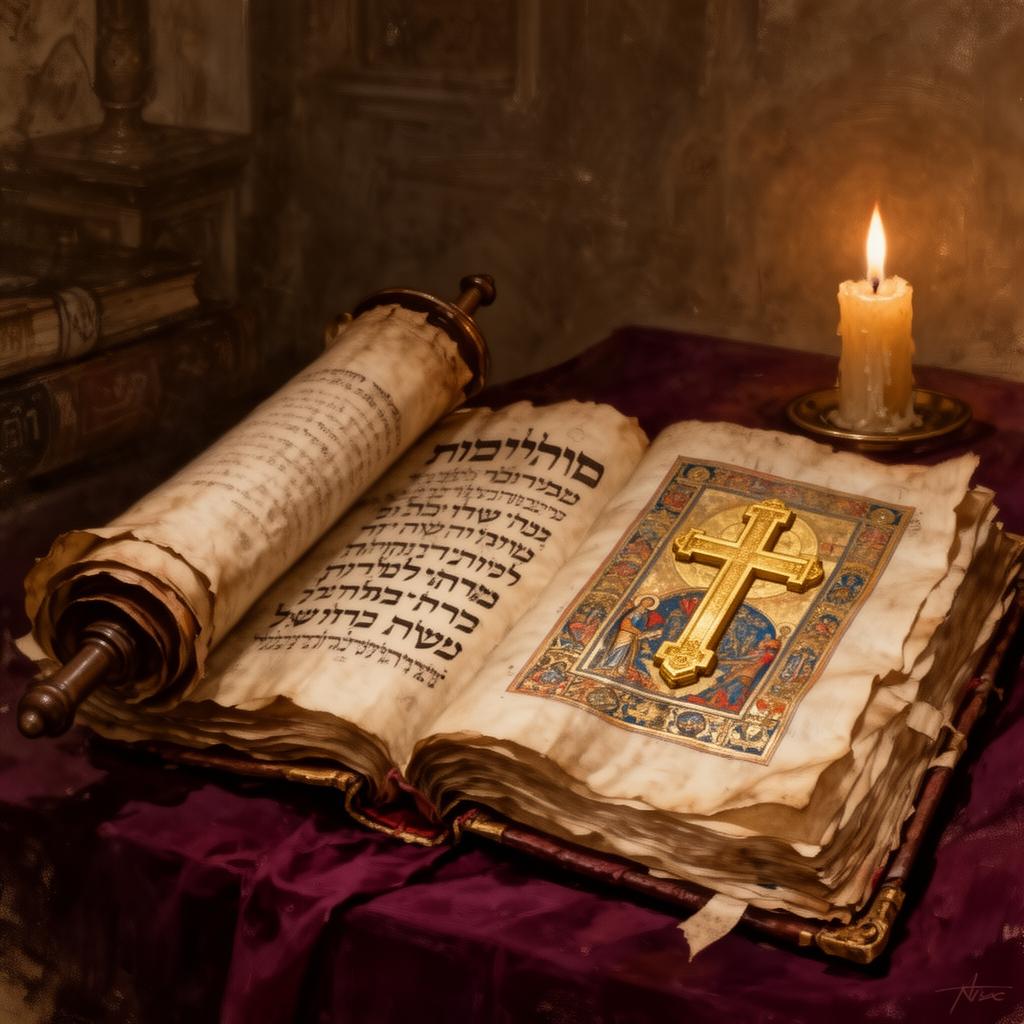
In the winter of 1947, a Bedouin shepherd chasing a stray goat into a limestone cave above the Dead Sea heard the dull crack of pottery underfoot. Inside the jars: linen-wrapped scrolls that had not been read in two millennia.
What followed was the most consequential manuscript discovery of the modern era. Across eleven caves at Qumran, scholars recovered nearly a thousand documents — Hebrew, Aramaic, and Greek — including the oldest surviving copies of every book of the Hebrew Bible save Esther, alongside hymns, calendars, and apocalyptic visions written by a sect that believed itself the last righteous remnant before the end of days.
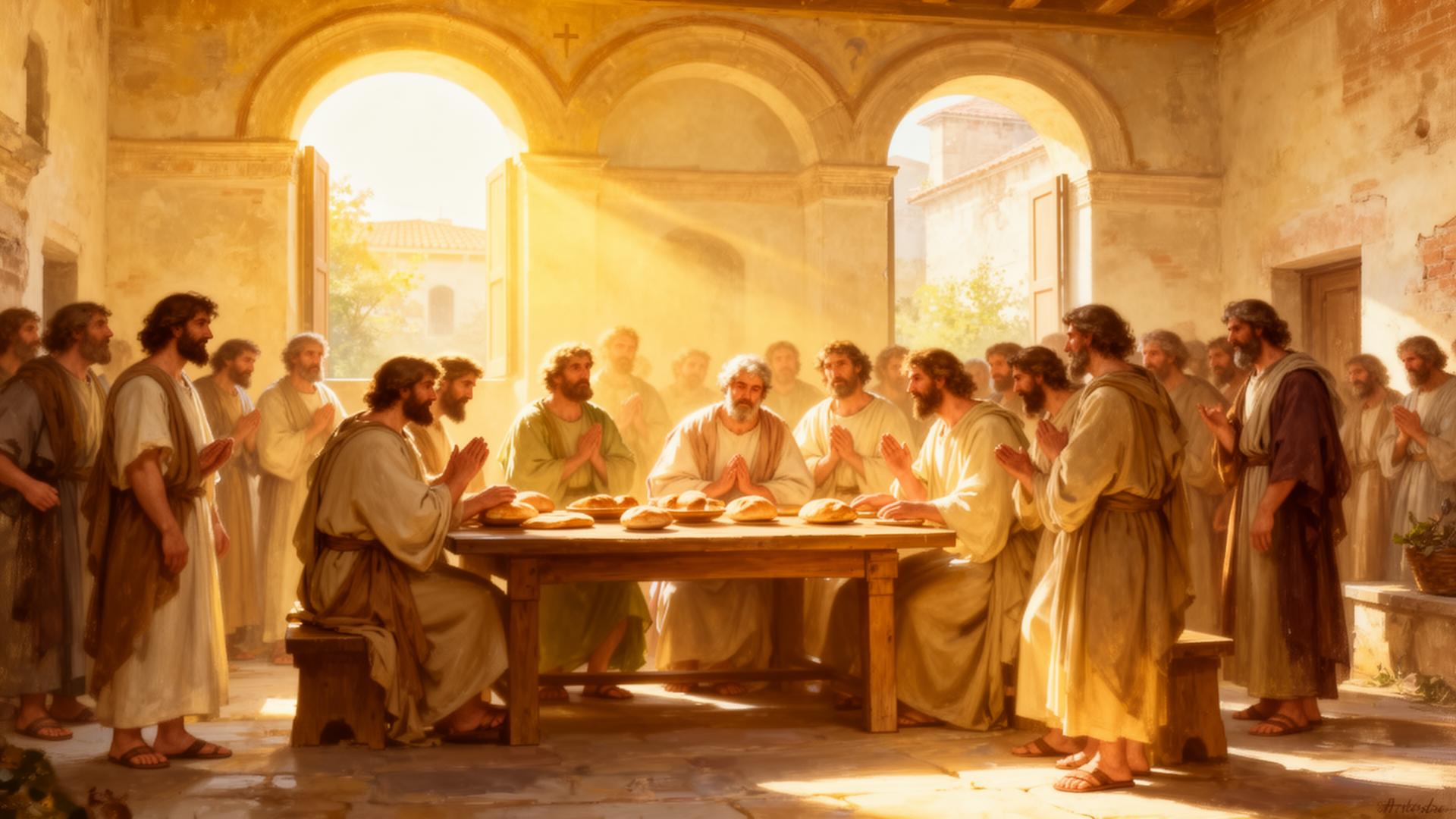
The Essenes, if they were indeed the authors, kept a library that quietly contradicts the tidy theological histories inherited from later councils. Their Messiah was twofold. Their priesthood was illegitimate in Jerusalem. Their war between the Sons of Light and the Sons of Darkness was imminent — and cosmic.
Seventy years on, the scrolls remain only partly published, partly understood, and wholly capable of unsettling anyone who assumed the canon was always settled.