A Cartographer's Tour

The Ancient World

Four civilizations, four cosmologies. The map below traces the soil from which our spiritual imagination first sprang — and the temples, scripts, and silences they left behind.

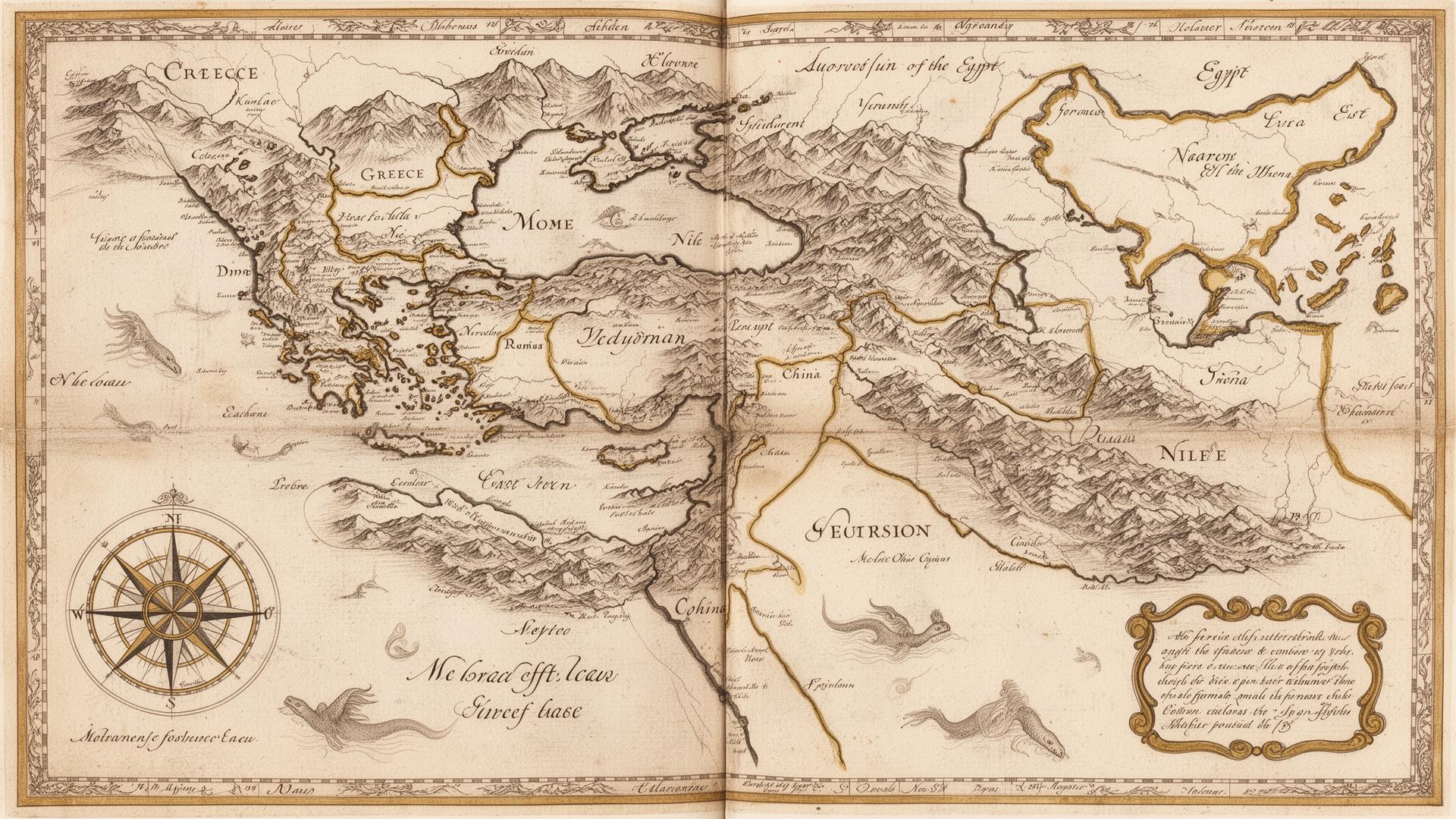
An antique parchment map of the ancient world depicting Greece, Rome, Egypt, and ChinaGreeceRomeEgyptChina
Mare Internum — tap a gold marker to journey to each civilization
Hellas

Greece

c. 800 BCE — 146 BCE

From the rocky islands of the Aegean rose a people who would teach the West how to think. The Greeks gave us tragedy and democracy, the geometry of Euclid and the questions of Socrates — but also a pantheon of gods who quarreled like men and walked the earth in disguise. Their temples at Delphi, Olympia, and the Athenian Acropolis were not merely civic monuments but instruments for hearing the divine. In the dialogues of Plato and the mystery cults of Eleusis, the Greek mind first dared to ask whether the soul outlives the body — a question Christianity would inherit and never let go.
Imperium

Rome

753 BCE — 476 CE

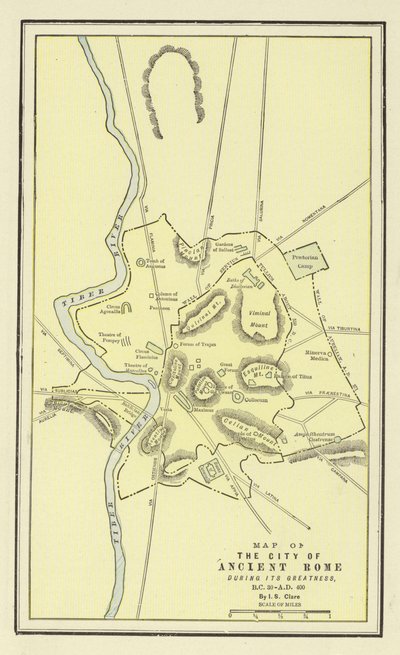
Rome inherited the gods of Greece and gave them Latin names, but its true genius was administration: roads, law, aqueducts, and an empire stretching from Britannia to Mesopotamia. Into this disciplined world arrived an obscure Galilean preacher whose execution under Pontius Pilate ought to have been forgotten. Instead, within three centuries, the Empire that crucified him bent its knee at the Edict of Milan. Rome's basilicas became cathedrals; its bishops became popes; its Latin tongue became the liturgical language of half the globe. No civilization has ever been so thoroughly conquered by its own captive.

Kemet

Egypt

c. 3100 BCE — 30 BCE

Older than Greece, older than Rome, older almost than memory itself — the Nile civilization endured for three thousand years. The Egyptians built for eternity because they believed in it: pyramids aligned to the stars, mummified kings provisioned for the afterlife, the Book of the Dead whispering instructions for the soul's journey through the Duat. Their gods — Osiris dying and rising, Isis the grieving mother, Horus the divine son — left fingerprints on every later mythology of resurrection. When the Ptolemies founded Alexandria and its great Library, Egypt became the crucible where Greek philosophy, Hebrew scripture, and Eastern mysticism first mingled.

Zhōngguó

China

c. 1600 BCE — 220 CE

While Athens debated and Rome conquered, the Middle Kingdom was perfecting a different art: harmony with the cosmic order. Confucius taught the rites that bind a society together; Laozi whispered the Dao that flows beneath all things; the Han dynasty wove both into a civilization of unmatched continuity. The mandate of heaven sanctified the emperor; ancestor veneration sanctified the family. Buddhism, arriving along the Silk Road in the first century, found fertile soil and bloomed into something distinctively Chinese — Chan, which the Japanese would later call Zen. Of all the ancient empires, only China's spiritual grammar still governs the daily life of a billion people.

Terra Sancta

The Holy Land

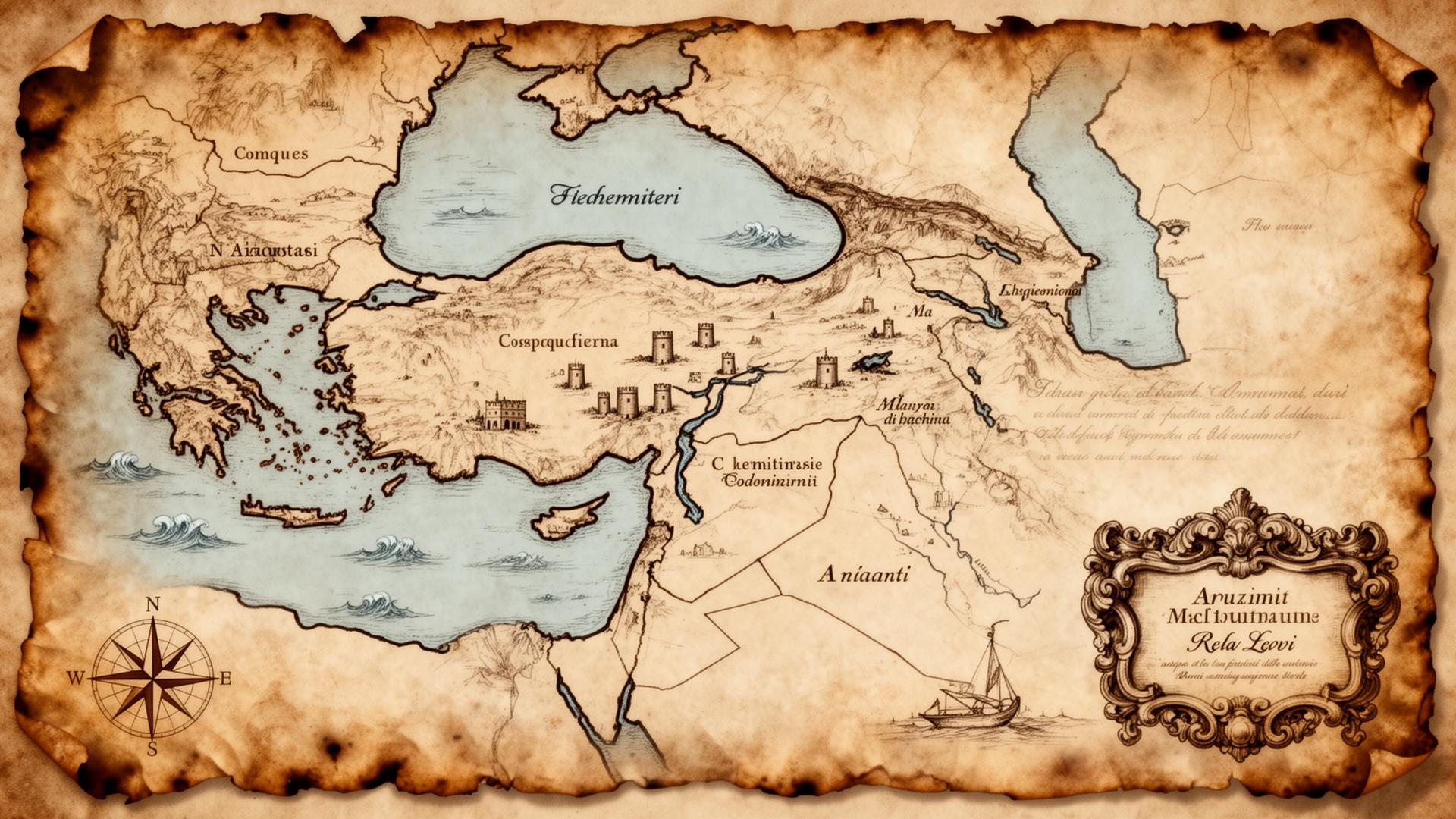
From the Sea of Galilee to the wilderness of Judea — the narrow strip of earth where prophets walked, kingdoms rose, and a carpenter's son changed history.

An antique parchment map of the ancient Holy Land showing Galilee, Samaria, Judea, the Jordan River and the Dead SeaGalileeNazarethSamariaJerusalemBethlehemDead Sea
Terra Sancta — the narrow corridor where heaven and earth met
Tabula Detailed

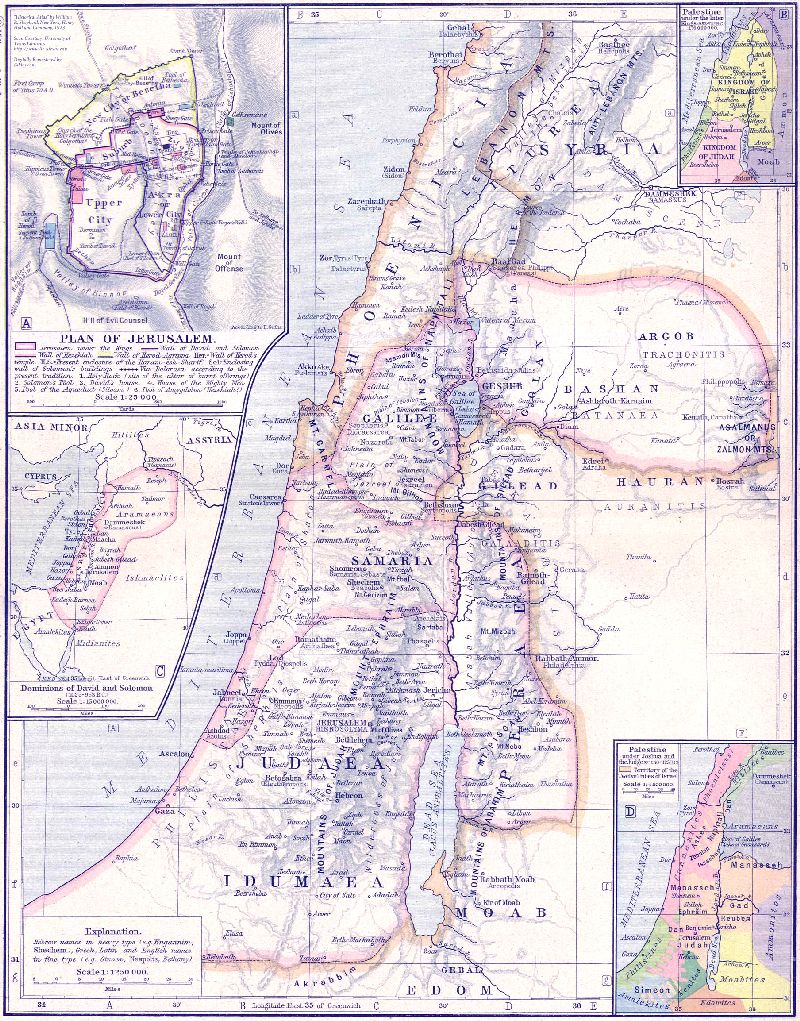
Ancient Palestine — Detailed

A 19th-century cartographer's survey of the Holy Land — Galilee, Samaria, Judaea, and the wilderness beyond the Jordan — with insets of Jerusalem and the tribal allotments.

A detailed antique map of ancient Palestine showing Galilee, Samaria, Judaea, Idumaea, Moab, with insets of Jerusalem and the tribal kingdoms
Palaestina — every village, ridge, and wadi rendered by hand

"The past is never dead. It's not even past."

— Faulkner